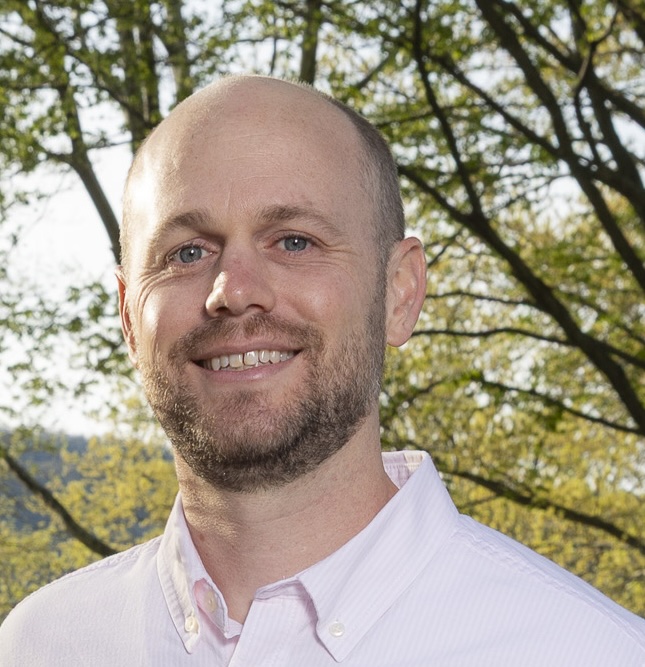
Our Staff
Meet the leadership and supervisory team supporting Anam Cara's mission and training programs. Our staff bring diverse experience in spiritual care, education, and clinical supervision.
Training Supervisor-Educators
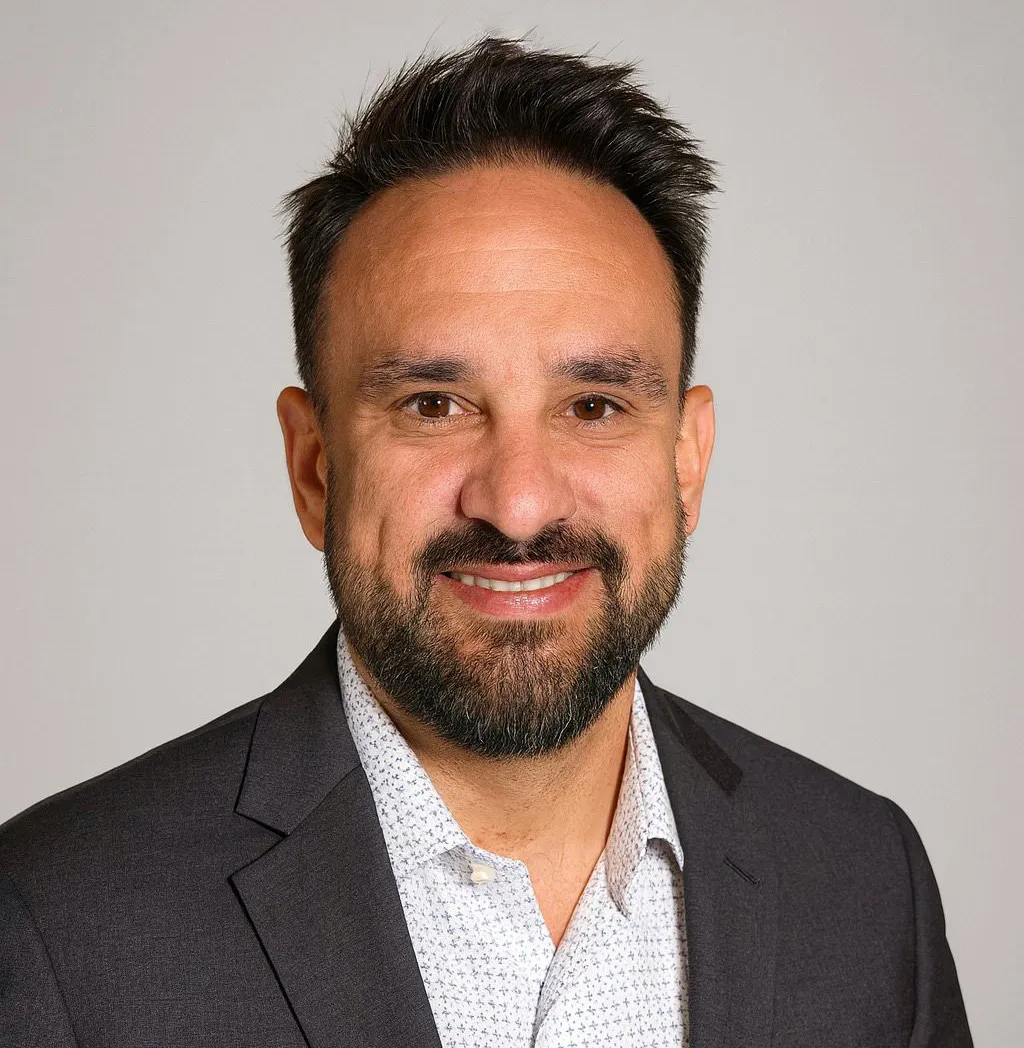
Rick Capezza, BCC
Director, Anam Cara CPE
Training Supervisor-Educator
Rick Capezza, ThD, DWS, DMin, MDiv, MA, STM, is a senior organizational leader in clinical spiritual care with over 25 years of experience in hospice chaplaincy, graduate theological education, and program leadership. In addition to directing Anam Cara, Rick also directs The Center for Integral Spiritual Formation, a large ACPE-accredited CPE program, and the Spiritual Care Collaborative, an active Skool community equipping ministers and ministry leaders of all faiths with evidence-based clinical spiritual care techniques to strengthen real-world ministry.
As presiding bishop of The Fellowship of Integral Spirituality, a fellowship in the apostolic lineage of the African Orthodox Church committed to interspiritual dialogue, he is an approved endorser for the Association of Professional Chaplains and the Department of Veteran Affairs in addition to working as the Dean of Education for the Spiritual Care Association’s Military Chaplain Division, and Adjunct Professor of Clinical Pastoral Psychotherapy and Spiritual Direction at SCA's Capstone University. Rick also runs The School of Military Spiritual Formation, and for his significant contributions to the Army Chaplain Corps, Rick received the Order of Aaron and Hur regimental medal, the most distinguished medal the Chaplain Corps presents to civilians and non-regimental individuals.
As an educator and program leader, Rick values personal connection over professional pretense and the intersectionality of both spirituality and clinical training. In addition to his formal theological graduate studies, he engaged in nine years of ministerial apprenticeship within the Lutheran, Reformed, and Anglican traditions and has been additionally certified as a Peer Support Specialist, Reiki Practitioner, Spiritual Director, Trauma Professional, Grief Counseling Specialist, Dementia Practitioner, and Montessori educator.
Rick lives in Boise with his wife Jenn, their seven kids, and two doodles. As a life long fan of the New York Jets, he is acquainted with grief and brightens his days through travel, gardening, walking, and paddleboarding.
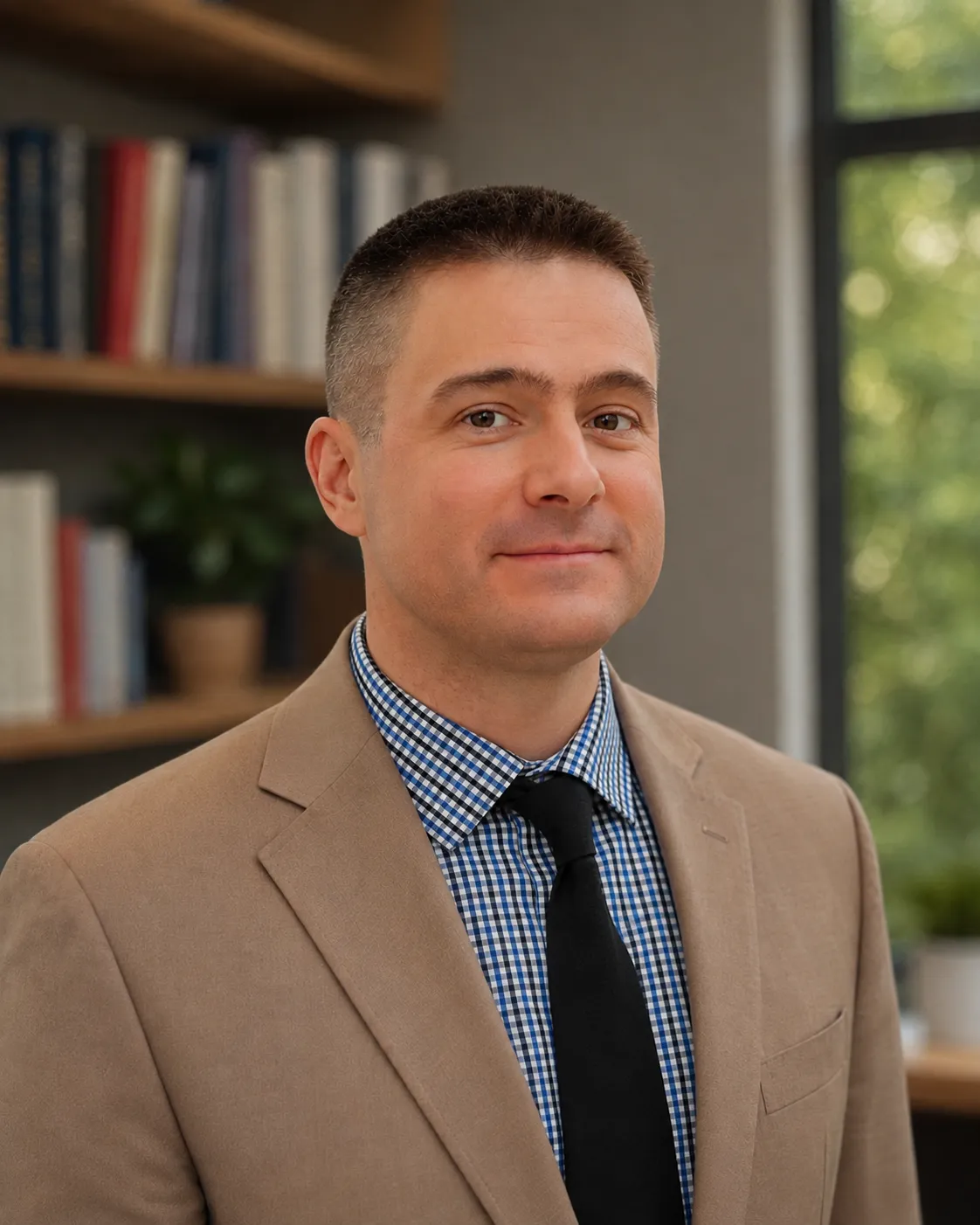
William Bevins, BCC
Training Supervisor-Educator
William Bevins is an ordained minister in the Evangelical Lutheran Church in America, a Chaplain and CPE Training Supervisor-Educator (CPEI) in the U.S. Navy Reserve, and a Board Certified Chaplain (NAVAC). A former professor and editor, he holds an MA in Modern European History from the University of Colorado at Boulder and an MDiv from the Lutheran Theological Seminary at Philadelphia, and is a Doctoral Candidate at Wesley Theological Seminary. As a minister and educator, his passion is helping others deepen their vocation to better their lives and communities. An Eagle Scout, he is passionate about public service and has served as a Fulbright English Teaching Assistant in South Korea, a Peace Corps Volunteer in Albania, and an AmeriCorps Volunteer in New York City. He lives in Coastal Virginia with his wife and son.
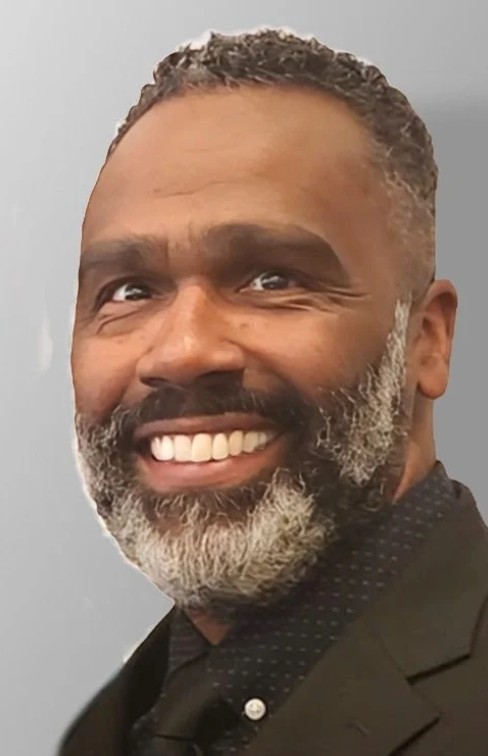
Michael Rivera, BCC
Training Supervisor-Educator
Michael A. Rivera, Jr. is a seasoned military chaplain, faith leader, and community builder whose career blends frontline service, strategic leadership, and transformative ministry. Born in Buffalo, NY, and raised in Houston, TX, he began his path of service after attending Prairie View A&M University and enlisting in the U.S. Marine Corps. During his eight years as a Marine, he deployed twice to Iraq during Operations Desert Shield and Desert Storm, experiences that shaped his current commitment to spiritual care, leadership, and leader development.
After an honorable discharge, Michael transitioned to civilian life as a sales consultant before rejoining the military with the Minnesota Army National Guard. Over 13 years in the Minnesota and Illinois National Guards, he served as a senior leader in Recruiting and Retention Battalions, driving recruitment strategy, mentoring soldiers, and strengthening unit readiness. In 2019, he was commissioned as a chaplain, extending his ministry to service members and families in Illinois and Oklahoma before returning to Minnesota. He retired in March 2026 after 28 years of combined military service.
Academically and professionally prepared for pastoral care, Michael holds a Bachelor of General Studies in Leadership, Management, and Technology from Roger Williams University and a Master of Divinity from Luther Seminary. He is pursuing a PhD in Chaplaincy at Columbia International University and holds multiple chaplain board certifications. He is an Applied Suicide Intervention Skills Trainer (ASIST) and a Healing Touch student practitioner. He was ordained by the International Ministerial Fellowship in 2018.
Michael’s ministry spans more than 25 years in local church leadership—serving as Family Life Pastor, Youth and Young Adult Pastor, Discipleship Pastor, Associate Pastor, and Pastoral Consultant—and includes clinical work as a PRN Trauma Chaplain at the University of Oklahoma Health Center. In 2019, he and his wife, Katie, launched Focus & Vision Ministries to equip congregations and communities to thrive, and Michael serves as its President and CEO. He also serves as Clinical Pastoral Education Director and Civilian Chaplain Endorser with the International Ministerial Fellowship and volunteers as a chaplain with local police and fire departments. He is a candidate for the Farmington School Board and actively engages in local civic life.
Michael lives in Farmington, MN, with his wife of 20 years, Katie, and their two children, Michael III and Esther. Grounded in a lifelong call to ministry, he draws on 1 Samuel 17:34–40, 1 Corinthians 13, 2 Timothy 2:15, and 1 Peter 4:8–11 as his guiding scriptures.
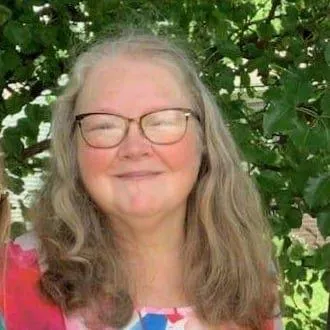
Susann Estle, BCC
Training Supervisor-Educator
Susann Estle is a Board Certified Chaplain and CPE Training Supervisor-Educator. Her clinical experience includes fifteen years with the Indiana Department of Corrections, five years as a hospital chaplain, and two as a hospice chaplain. Susann has worked extensively with incarcerated veterans and specializes in supervising military-oriented CPE cohorts. As a Training Supervisor-Educator, Susann’s primary focus is developing Supervisory Education Candidates into full Supervisors. She follows the Quaker faith (Society of Friends) and has been recorded as having the Spirit of Ministry, the Quaker equivalent of ordination. Susann also serves as a part-time pastor. She has two adult children and lives in Central Indiana.
Supervisor-Educators
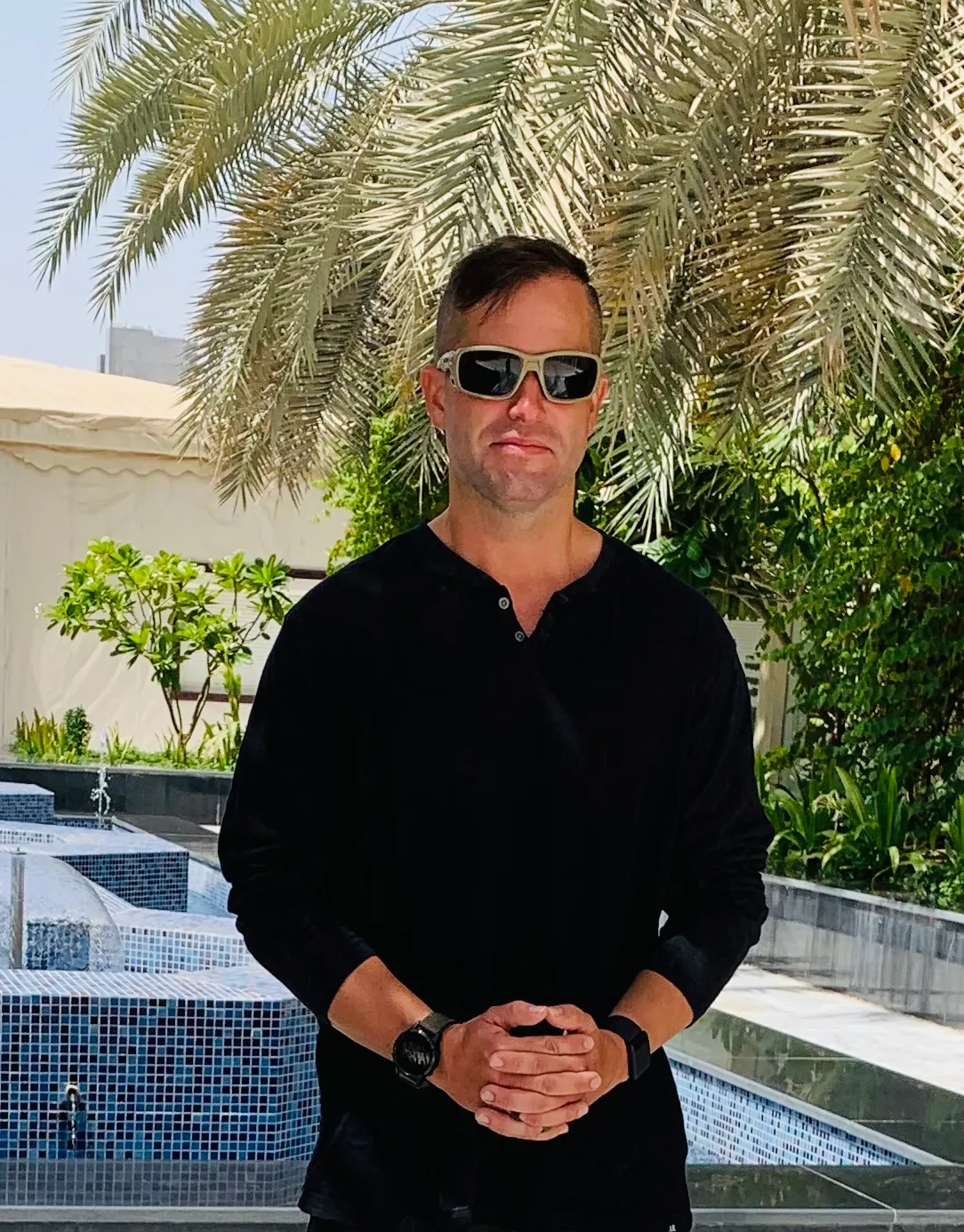
Justin Lansdowne, BCC
Supervisor-Educator
Justin Lansdowne is a board certified chaplain and educator shaped by story, presence, and the sacred work of accompaniment. His vocation has been formed across military, healthcare, correctional, and congregational settings - places where people bring their deepest questions, griefs, and hopes.
As a U.S. Army Chaplain and Doctoral candidate, Justin has walked alongside service members, families, and leaders through seasons of transition, loss, and moral complexity. He understands Clinical Pastoral Education as a formative journey that invites honest reflection, empathic listening, and openness to transformation.
Justin’s approach to CPE is relational and integrative, drawing from spiritual formation, adult learning theory, and reflective practice. Influenced by formative teachers and mentors, he emphasizes trust, belonging, and experiential learning as students develop pastoral identity, resilience, and vocational clarity.
Justin welcomes CPE students as fellow sojourners, committed to walking alongside them as they listen for what is emerging within their story and vocation.

Aaron Christensen, BCC
Supervisor-Educator
Aaron Christensen is a board-certified chaplain and Clinical Pastoral Education Supervisor-Educator with experience in healthcare, military, and educational settings. He currently serves as a Spiritual Care Manager and hospital chaplain within a regional healthcare system, providing care across acute care, oncology, assisted living, hospice, and community contexts. Aaron also serves as a chaplain in the Minnesota Army National Guard, where he supports Soldiers and Families through training, deployment, and life cycles, drawing on his background as a former Army infantryman and combat medic.
As a spiritual care educator, Aaron is deeply committed to formation that allows for chaplains to rest in who they are made and called to be in ministry. His goal is to create a space where authentic relationships grow around the integration of professional competency with use-of-self. Aaron brings a balm to compassion fatigue, burnout, PTSD, moral injury, and the everyday stress and burden of ministry. His supervisory style emphasizes reflective practice, psychological and spiritual insight, and the freedom for students to bring their whole selves into ministry-growth edges and dark places included. Students often connect with Aaron’s grounded presence, relational approach, and ability to translate theory into lived pastoral practice at the bedside and in leadership roles.
At heart, Aaron believes chaplaincy is less about performing expertise and more about cultivating presence, humility, and courage. You will hear him discuss self-care daily, while also struggling to do so himself. He is passionate about forming chaplains who are both clinically skilled and spiritually rooted, capable of serving with integrity in complex systems and cultures.
Aaron lives in west-central Minnesota with his wife, Christa, and their two sons. Outside of work, he fills his cup through adventures with family, strength training, time outdoors, storytelling, and taco Tuesdays with family and friends.
Supervisor-Educator Candidates

Ian Hunter, BCC
Supervisory Education Candidate
Ian Hunter is a healthcare chaplain full-time, and a chaplain in the Washington Army National Guard. He has completed five units of CPE, is board certified by NAVAC, and is pursuing a Doctor of Ministry through Wesley Theological Seminary. Ian cares deeply about spiritual care that is clinically grounded and emotionally honest.
As a supervisor-educator candidate, Ian is shaped by person-centered and humanistic models and is at heart Rogerian in his approach. He believes students grow and can see themselves best when they are met with real empathy, genuine acceptance, and safety that makes room for truth. His style is collaborative and relational, with feedback that challenges without shaming.
When he’s off the clock, Ian is usually recovering with a thoughtful meal, craft coffee, and time outside.
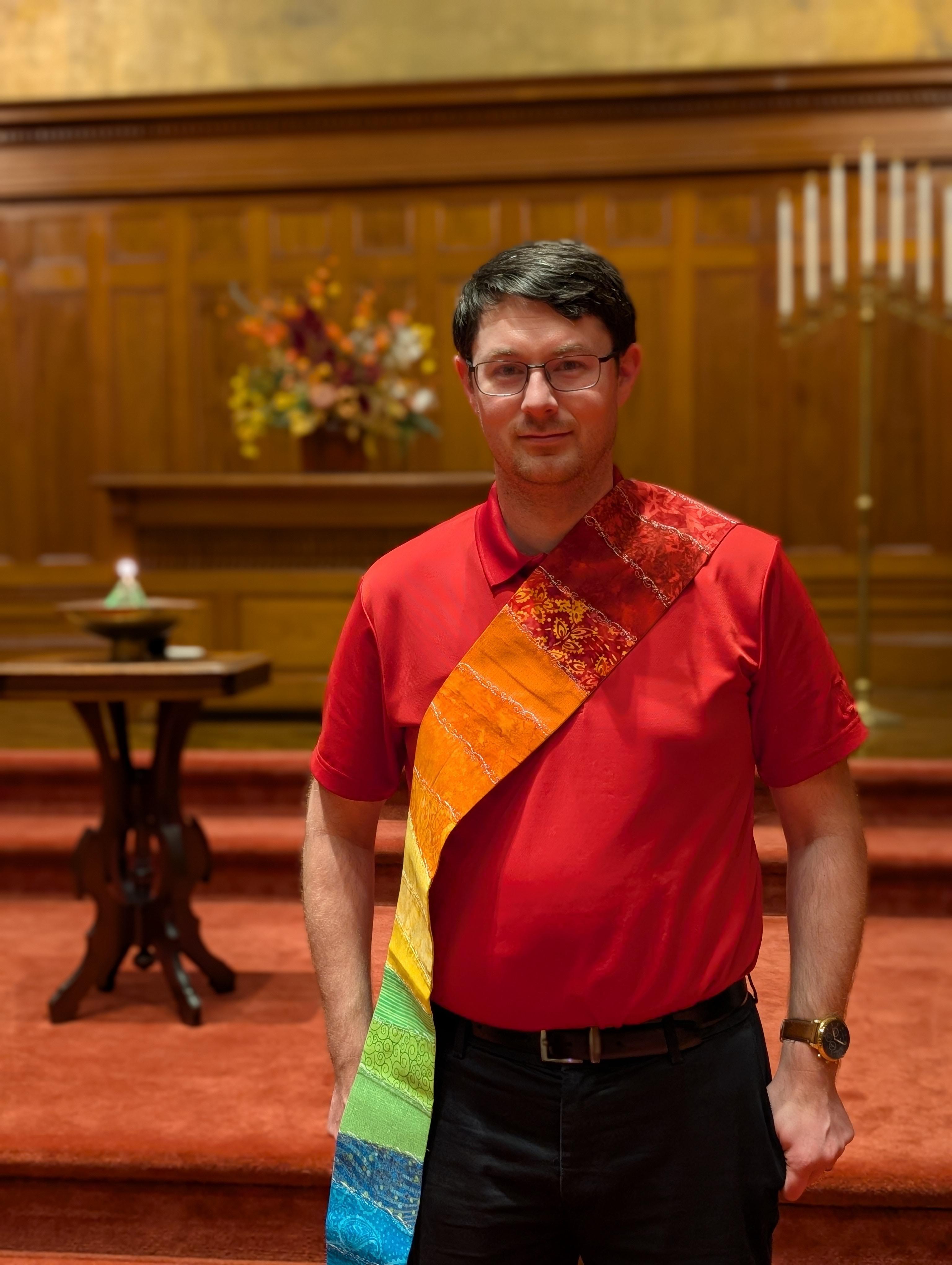
Joshua Goulet, BCC
Supervisory Education Candidate
Joshua Goulet, MDiv, MA, BCC, is a chaplain and spiritual director with 7 years of experience. He is an ordained deacon with the Fellowship of Integral Spirituality and holds a commission to community minister from a Unitarian Universalist congregation. Board certified by the Association of Professional Chaplains and a Certified Spiritual Care Practitioner with the Canadian Association of Spiritual Care. Currently serving a community hospital in New Hampshire as a senior chaplain and Supervisor-Educator Candidate with Anam Cara. He values human connection, enjoys meaningful dialogue about spiritual care, and integrates Relational Cultural Theory into practice and supervision.
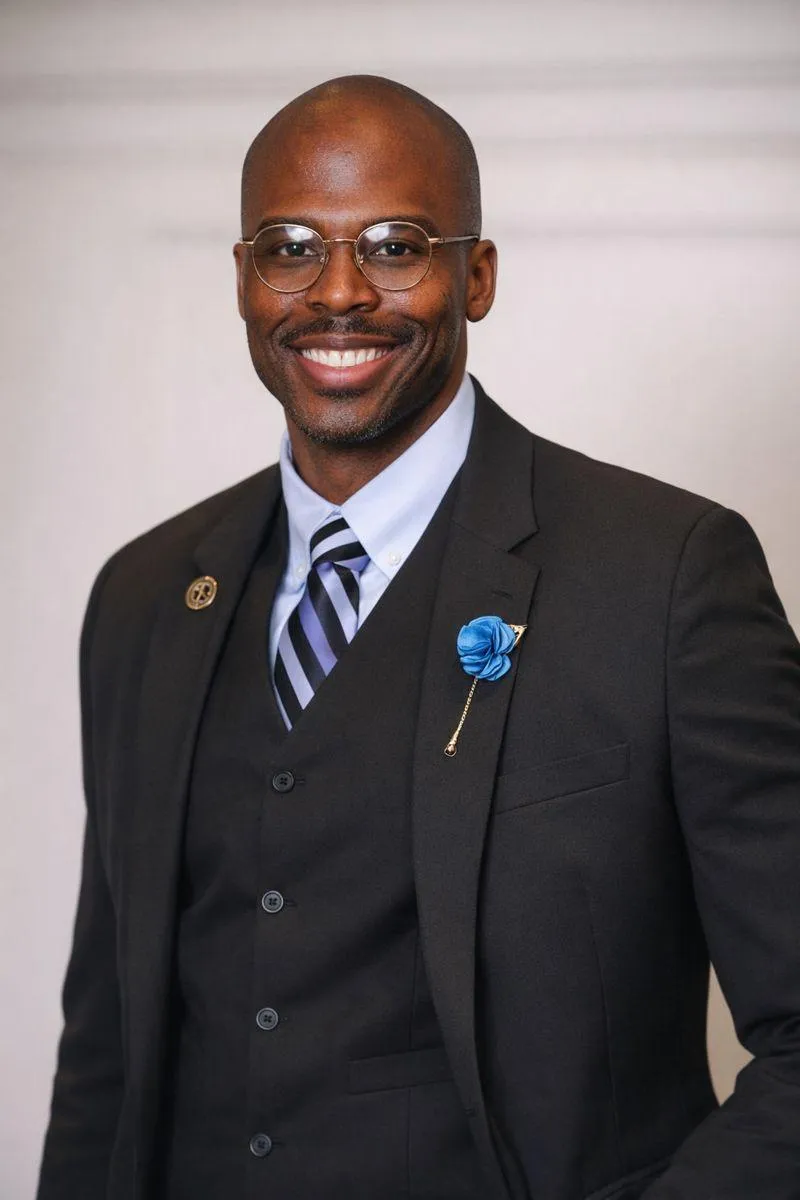
Barnabas Johnson, BCC
Supervisory Education Candidate
Barnabas Johnson is a National Guard chaplain and organizational leader in military and civilian chaplaincy, with extensive experience in pastoral ministry, leadership development, and institutional chaplaincy.
Recognized among his peers as a thought-provoking speaker, educator, and prolific author, Barnabas addresses critical issues affecting human, social, and spiritual development in chaplaincy. He seeks to inspire and motivate people toward faithful service—meeting individuals where they are while calling them toward transformation, hope, and purpose.
Barnabas has served across congregational, healthcare, and military contexts, including leadership roles in long-term care and hospice spiritual care, community ministry, and formation-focused chaplaincy. His work bridges theology, resilience, and mission readiness, shaped by both pastoral presence and lived experience. He is the author of devotionals and spiritual formation resources written especially for soldiers, leaders, and families navigating transition, loss, and vocational calling.
His educational journey includes undergraduate studies at Florida International University and St. Thomas University in business administration, and a MBA from Nova Southeastern University and a Master of Divinity from New Orleans Baptist Theological Seminary. He is currently pursuing is D.Min. at Wesley Seminary in Washington D.C. His academic and professional formation reflect a unique integration of faith, leadership, and organizational insight.
As a chaplain, educator, and mentor, Barnabas values presence over performance, formation over information, and integrity over image. His leadership philosophy is deeply relational, grounded in Scripture, reflective practice, and a commitment to walking with others through both light and shadow.
Barnabas lives in Arkansas with his wife Carol and their children. A devoted husband and father, he grounds his life in faith, family, and service. When not teaching, writing, or caring for others, he finds renewal through time with his children, prayer, creative work, and meaningful conversation—always pointing people toward hope, healing, and a deeper life in Christ.
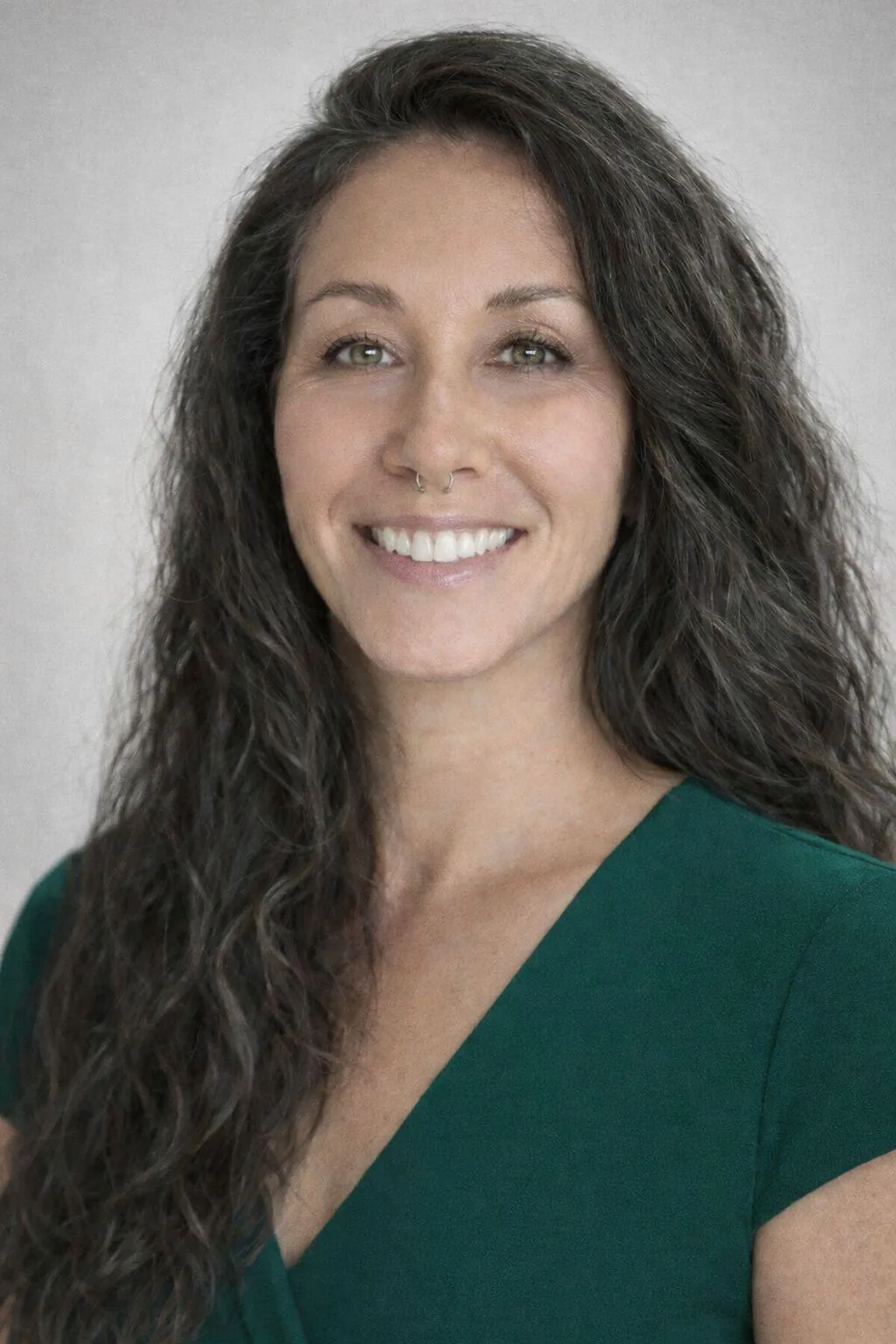
Jennifer Capezza, BCC
Supervisory Education Candidate
Jenn Capezza is a Board Certified Chaplain serving in a regional medical center, where she provides spiritual care to patients, families, and clinical staff across seasons of illness, uncertainty, and transition.
Her vocational path includes prior enlisted service as an NDI Technician before being recruited to the United States Air Force Reserve Chaplain Corp, where she accompanies service members and families navigating crisis, transition, and moral complexity. Jenn's approach integrates clinical skill, theological depth, and contemplative awareness. Rooted in interfaith sensitivity and trauma-informed care, her work reflects both intellectual rigor and compassionate attunement—holding space for grief, resilience, doubt, and hope with equal reverence. Jenn brings to Anam Cara a passion for forming caregivers who can remain grounded, self-aware, and spiritually alive in demanding ministry contexts.
Jenn’s life is shaped not only by vocation but by relationship. She is married to Rick, whose creative spirit and relational warmth complement her reflective and discerning presence. As a mother, spiritual leader, and teacher, Jenn understands firsthand the tensions between calling and family, strength and vulnerability. Her ministry is animated by the belief that authentic spiritual care flows from inner coherence—the integration of mind, body, and spirit—and she invites students and colleagues alike into that courageous, compassionate way of being.

Garold Anderson
Supervisory Education Candidate
Garold Anderson, PhD, DMin, MDiv, MA, is an active duty Army chaplain and organizational leadership scholar serving in military healthcare. He provides clinical spiritual care in surgical, medical, and inpatient behavioral health settings, integrating trauma informed care, moral injury work, and spiritual formation within complex institutional environments. Prior to serving on active duty, Garold was a church planter, senior pastor, and youth pastor, experiences that continue to shape his grounded, relational approach to ministry.
He holds a PhD in Organizational Leadership and a Doctor of Ministry in Chaplaincy, with research focused on leadership culture and retention in institutional systems. He is also completing a Master of Arts in Marriage and Family Therapy and requires only supervised clinical hours to fulfill LMFT completion, strengthening his integration of systems theory and pastoral care.
Garold is passionate about forming ministers and chaplains who are self aware, theologically grounded, and capable of serving faithfully within complex systems. Originally from Yakima, Washington, he is a lifelong Seattle Seahawks and Seattle Mariners fan and an enthusiastic supporter of University of Tennessee football. He enjoys playing guitar, tabletop role playing games, building Lego creations, and spending time with his family

Abraham G. Ndungu, Ph.D., D.Min
Supervisory Education Candidate
Abraham G. Ndungu, Ph.D., D.Min., is a chaplain, educator, and community-centered leader with extensive experience in pastoral care, higher education, and social justice engagement. His professional work spans clinical and correctional chaplaincy, university teaching, trauma-informed care, and faith-based community development. With advanced academic training in urban planning, practical theology, sociology, and economics, he brings an interdisciplinary perspective to leadership, counseling, and public service. Dr. Ndungu has served in ministry and academic roles in both the United States and Kenya, and his work reflects a long-standing commitment to reconciliation, community empowerment, and the holistic well-being of individuals and institutions.